What We Are Capable Of
We traded our rights and freedoms for convenience. This is about what it looks like to choose differently, and what we are capable of when the conditions are designed for it.

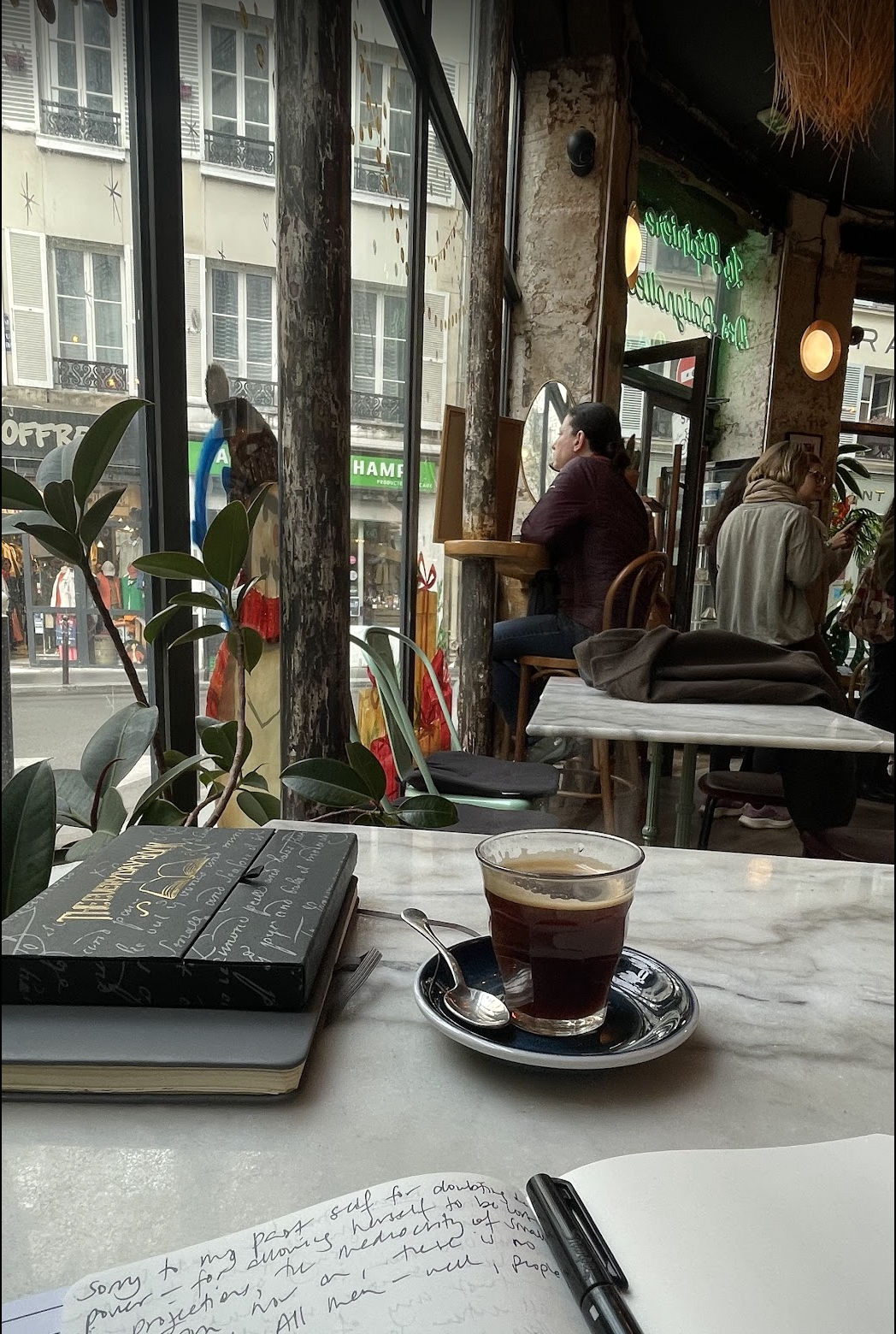
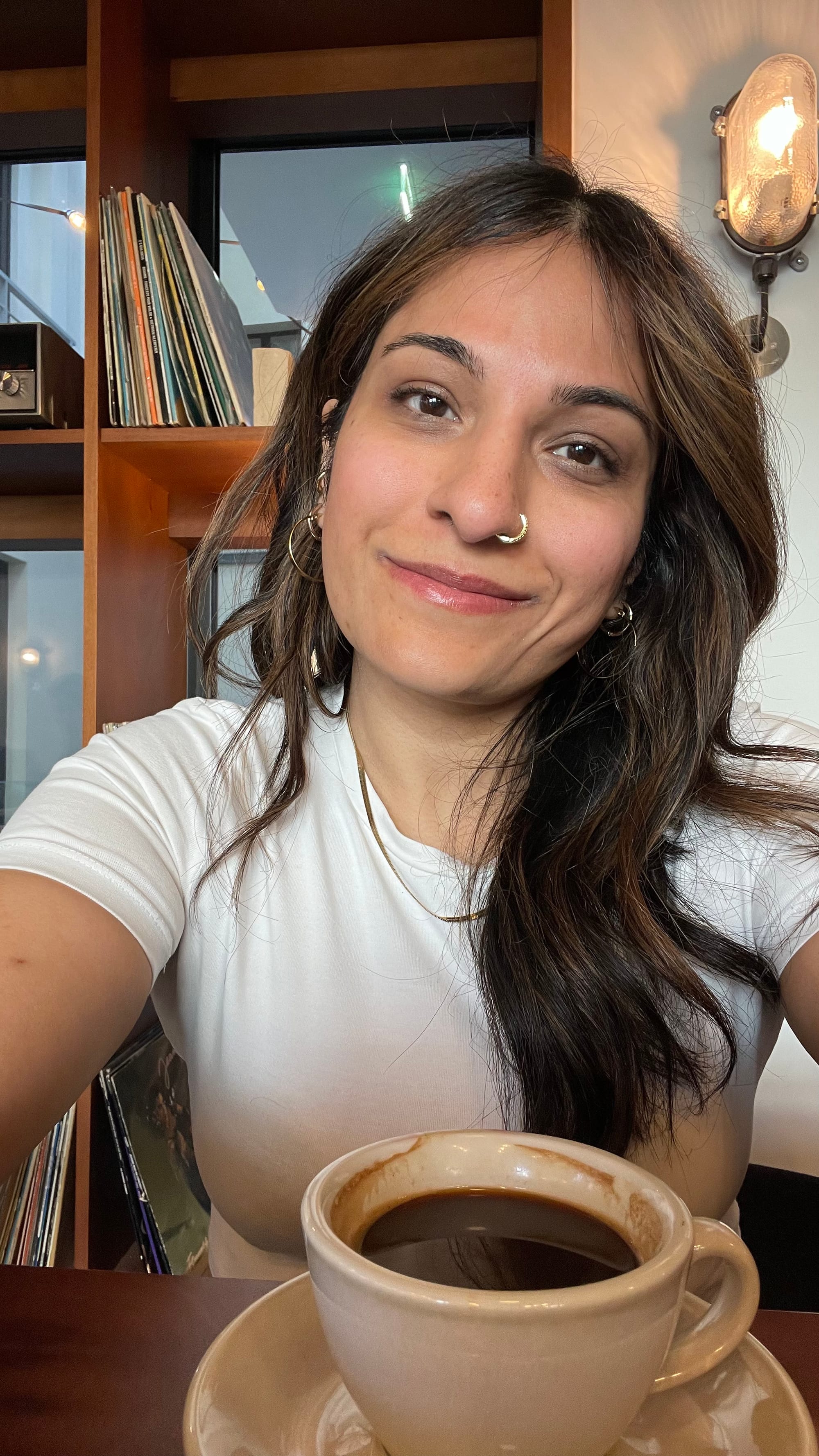
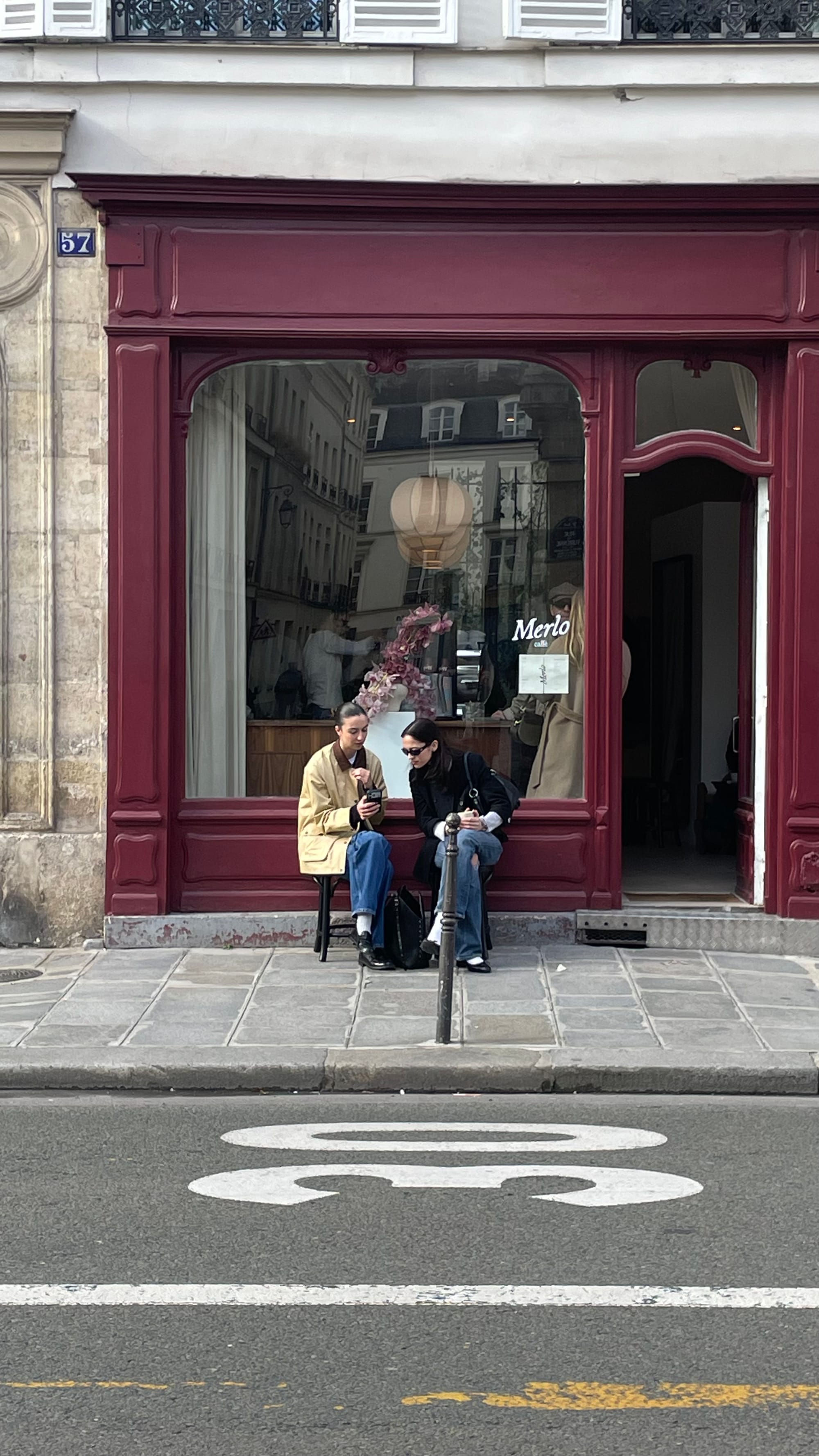
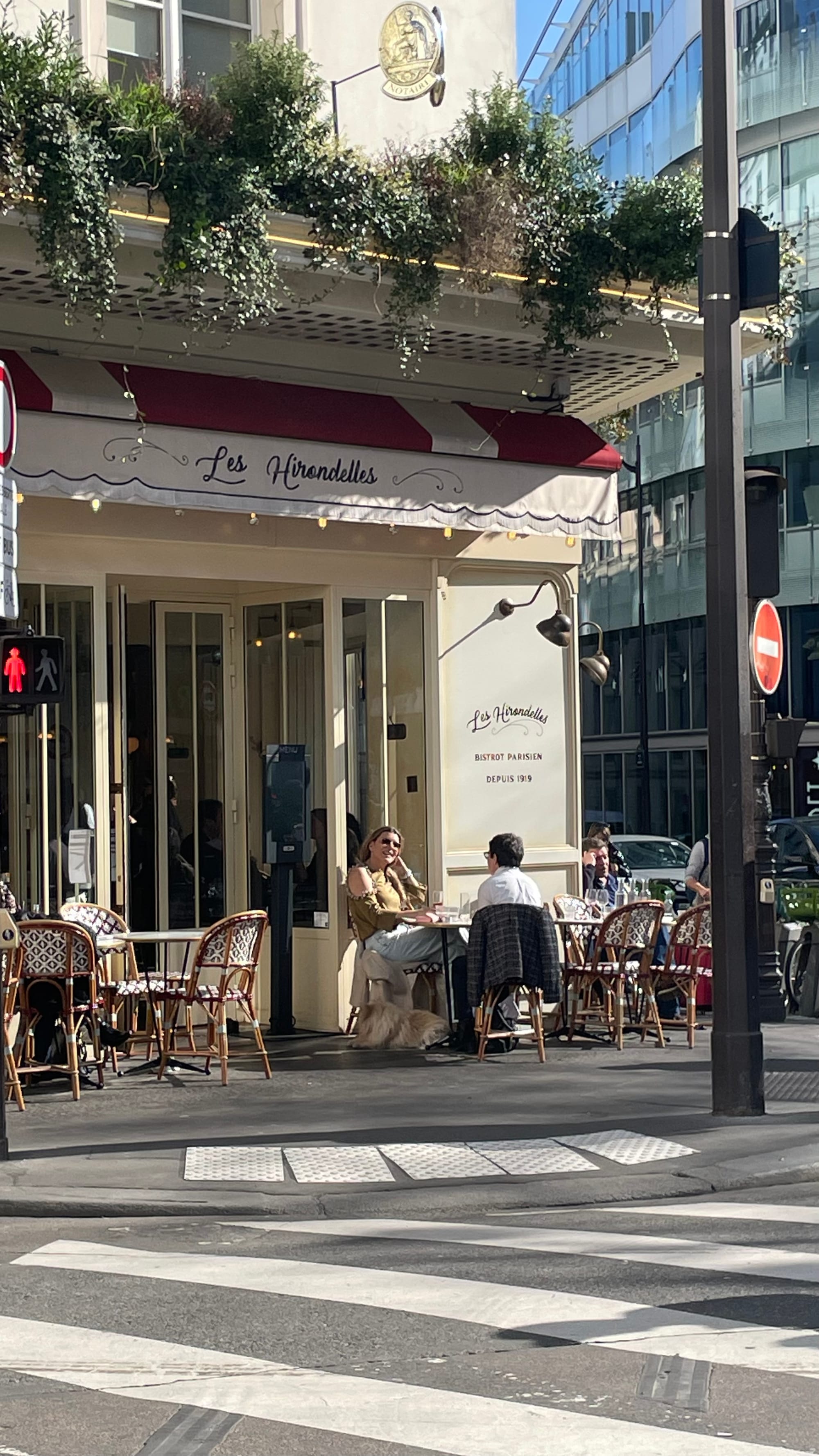
The din of the cafe I’m parked in is something made of dreams; Casio by Jungle plays. Murmurs in French, broken conversations I’m weaving in and out of, half comprehending, hopeful that one day it will be second nature to me. I’m sitting, cradling a double espresso that costs way too much, but still less than what I would have paid back home.
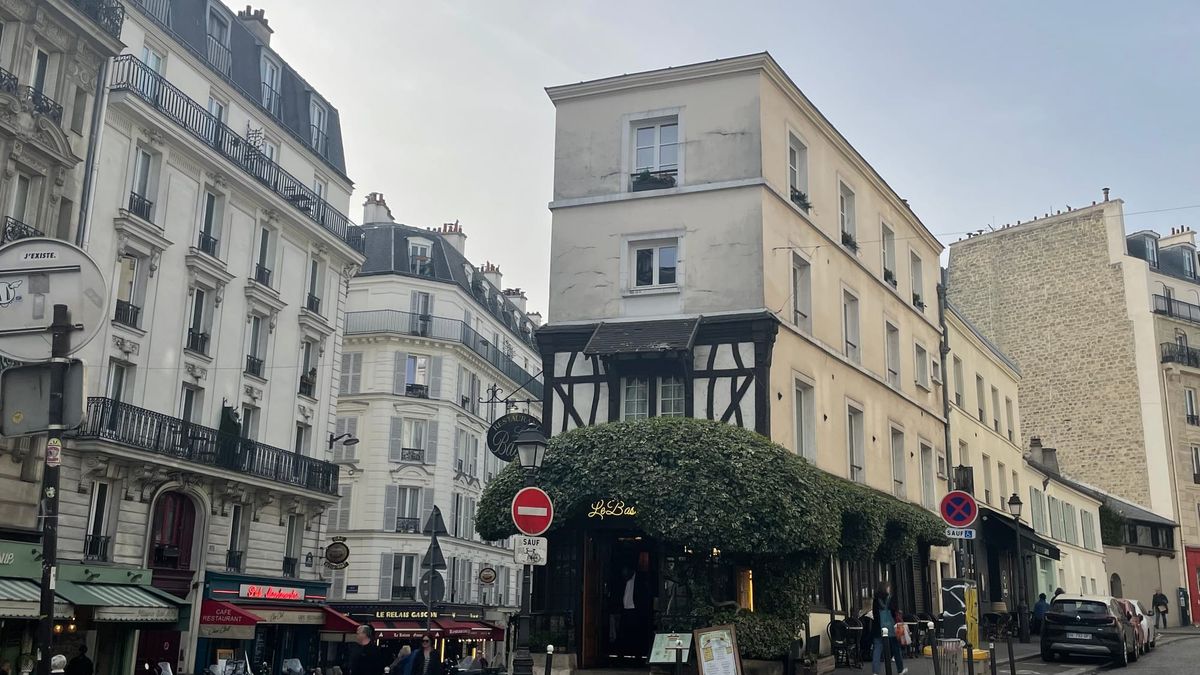
Still getting over how I don’t need to tip here; a living wage? Everyone has a semblance of enough? I mean, there are still imperialistic and racial issues that abound; it’s not perfect. No, no where is perfect. But in context: after nearly 40 years living in Toronto, Canada, I recently fled for what I perceived to be greener pastures to Paris, France. Comparatively, I had increased my living standard – especially as I compared against the values of a country that no longer fit me.
Why am I externalizing it all? Maybe it's the impending desire to blog again; I think long form is back, I am craving the return of tumblr, of myspace, the Millennial yearning is strong. Maybe I have something to express and merely journaling to myself is not cutting it? My voice demands to be heard and for the first time ever I want to be seen in this way – it kinda scares me.
This sometimes comes out of fear of connection to my business and professional life. I have kept a lot of these things hidden but I think that we are entering an age where it doesn’t matter. Or maybe we’ve surpassed it and I’m just catching up? I believe that more and more we crave distinction and genuineness. This nuance and expression will reign supreme; I no longer care if people are aware of the thoughts in my head or if they connect it to me as a professional in all the spaces that I exist in - ones that I have carefully crafted to be palatable for my career and image.
Now I am at the point where I think the thing that has helped me grow the most and get the farthest is my authenticity. And the more I share this part of myself, the more I am vulnerable and the more that I express myself, the more people come towards me. As influencer culture and AI continue to flatten individuality and our conception of self and society, and as algorithms continue to extend not-so-soft hegemony over our daily choices and shape our preferences, it’s an act of revolution when we step outside of these things and live for ourselves, is it not?
I was chatting with a new friend today in Paris and said to her: "we traded our rights and freedoms for convenience." As the world burns and we struggle to find each other and connect on a human level, I remind myself, sitting here in this cafe, that I did the inconvenient thing. My own quiet act of revolution.
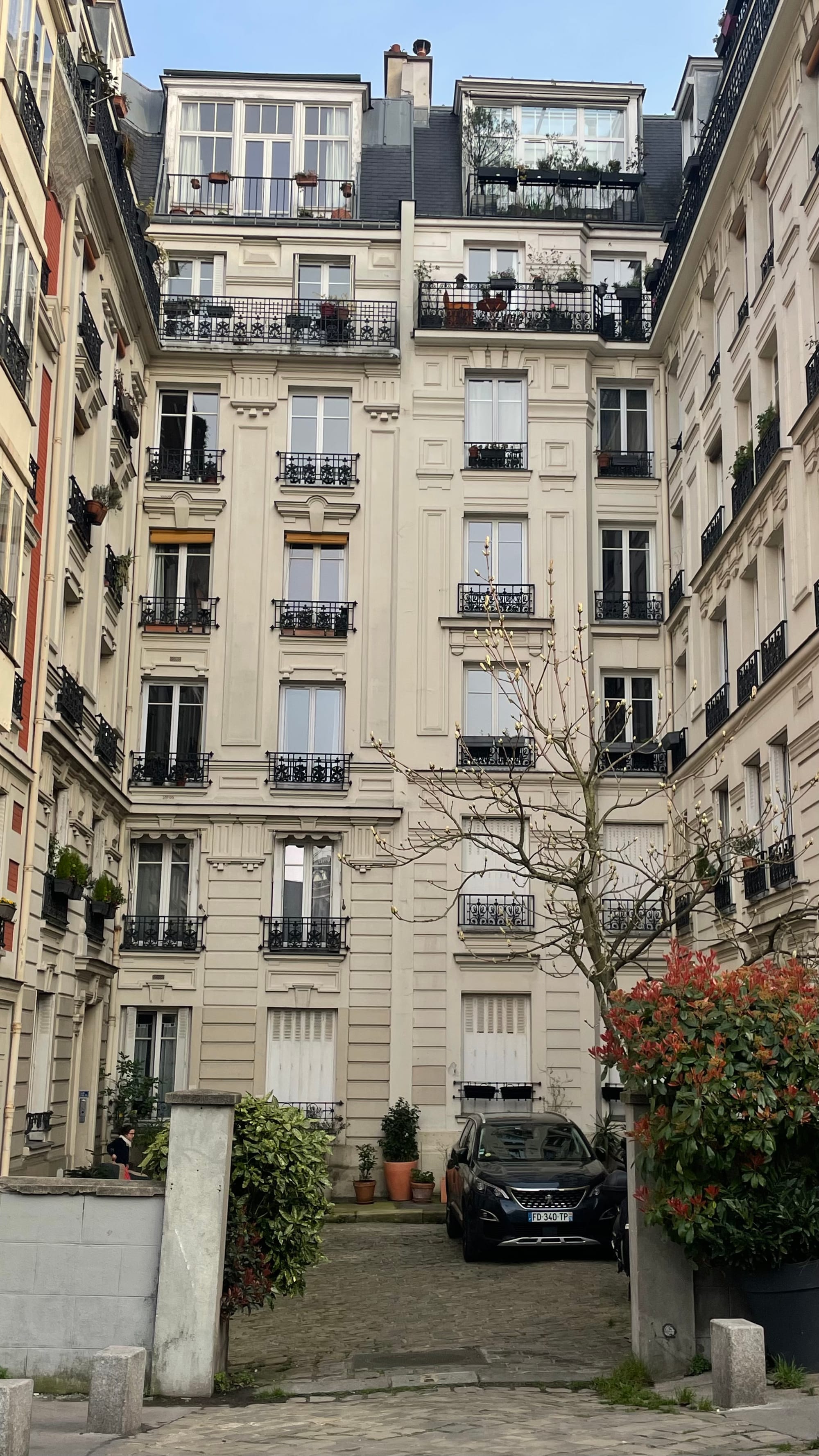
I left a city I had built myself in, a community, a career that had taken years to craft, a life that looked, from the outside, like exactly what it should be. I left for myself, and it has not been easy. But it was more necessary than anything I could explain at the time. That choice, to opt out of the legible path, is precisely the kind of muscle that has atrophied in us: the ability to choose discomfort in service of something alive.
I know there is privilege in this. That for many, this kind of choice cannot be made, considered, dreamt of, or even safely uttered. I don't take that lightly.
Could we be entering into a new world of reclamation? A reclamation spurred by the deep distaste for AI, and the failed promise of tech, inaffordability, despite global wealth growing consistently for 25 years, and a loneliness epidemic running rampant. It feels like an elastic returning back to its normal shape after being pulled taut for so long. What could be in its place? Communities, smaller, local, intimate. A mix of online and offline, purpose driven and collaborative. I struggle to imagine though, how it will go. So many people have been raised in such an individual world; how do you become part of a village when you don’t know how to be in one, show up, or even deal with the inconveniences that come with being part of a whole.
I believe those, like me, who have been raised in a world where they’ve had to straddle two cultures, will need to learn how to be bridgebuilders.
Brought over from other cultures, colonized and forced to assimilate into the dominant Western family structure, externally Western, internally Eastern; a true identity crisis for many. But maybe it was all for something? That we were meant to shepherd in this new world; I shudder to imagine though, the extra work that will now, once again be disproportionately put on immigrants, POC and WOC. Perhaps what could come next is a melding of both; that we can learn from past cultures, ancestral teachings from pre-colonial cultures, the things that many of us that grew up in collectivism already know.
Not to say that collectivism and Eastern cultures are without their own issues. The trauma I am still sifting through after all these years, the copious amounts of therapy and drug-aided medicine interventions that cost a small fortune, the work that still doesn't feel done even now; I hold all of that too.
But I make the decision to continue, to move forward and hope for more despite the wounds I carry. And I think this is actually the most universal thing I can say in a piece about community: everyone is walking around with some version of this. No matter their background, their culture, their coordinates on the map. We are all, in some way, unfinished. And maybe that is precisely the common ground we keep failing to build on.
But being in the West and seeing the devolving of the American Dream and the world that we exalted – the one that purported a utopian potential but just turned out to be feudalism masquerading as progress. The one that is leading us into wars and destruction of our only real wealth: ecology.
Either way, to be those bridgebuilders, we have to begin by taking the accepted norm, based in Western, white-settler colonialism and adding in our own cultural practices; not seeking out assimilation, but more of an addition. Taking what we know, the age-old beliefs, systems and passed on traditions and fusing them. Not only for understanding and acceptance within the self, but to truly have a shot at saving our world and our species.
So, what would this new world look like? Not purporting to create a blueprint or something meant to be followed; but for the past few years I have spent a lot of time trying to conceive and understand community. In public spaces, in private spaces, within business, in between identities and through large scale projects like Burning Man and its spin offs. And through all this, I see a desire - one to belong and need for these spaces. Yet, what is sometimes missing is the ability to connect or become part of the flow.
The fracturing is not accidental. When your hours are sold back to you as productivity and your leisure is optimized into content consumption, you are being kept from each other on purpose. Community requires time, presence, and tolerance for friction; three things the current economic model has deliberately made scarce. You cannot build a village on what is left over after everything else has taken its share.
So where there is desire, the ability does not always follow. This is the trouble. I think a lot about how to connect the two; how do we make it accessible? How do we make it attractive? It comes with benefits, but with inconveniences and for those who have been raised in a world of convenience at the expense of self and community and a potentially uninhabitable world, I can see people abandoning any potential collaboration or new world framework in favour of “ease.”
At Burning Man, the participatory part encouraged by the 10 principles really encourages you to be present and to accept things as they are. I remember standing at the Sphinx Gate as the Black Rock Philharmonic played into a desert sunset, surrounded by friends, strangers becoming neighbours, sound moving through a crowd that had chosen, for one week, to need each other.
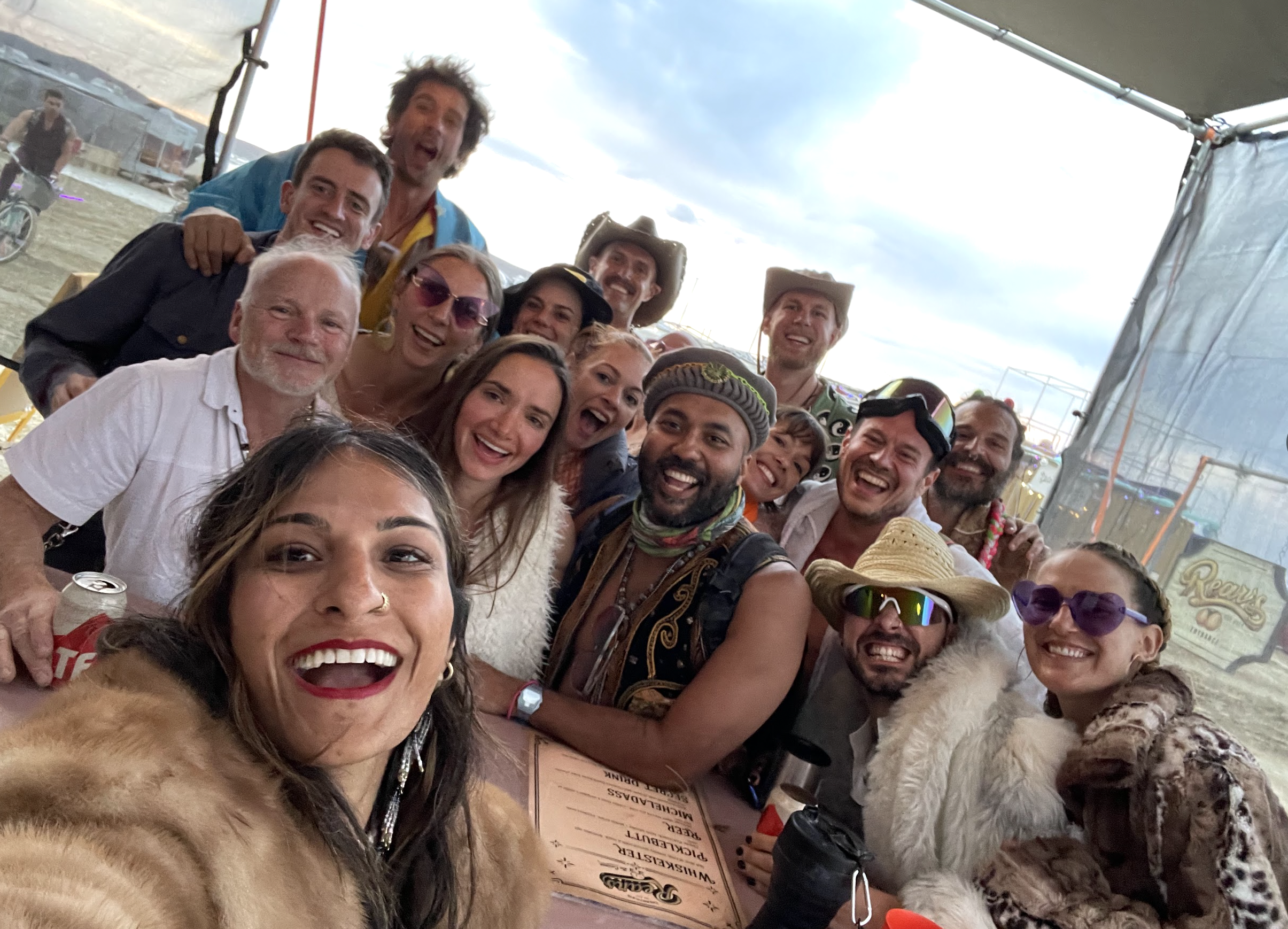
Nobody was consuming it. Everyone was inside it. That is what I mean. That is what we are capable of when the conditions are designed for it.
But this experience is so unique and not everyone will be able to enjoy it in their lifetime; a privilege to get a crash course in what a different world could be. How can we create more bridges or opportunities like this?
I have been trying to answer that question for most of my adult life, not in theory but in practice. At Burning Man I helped run a camp called Paper Cranes, forty-five people two years in a row, and the moment I understood what community actually was came not from any planned experience but from a sandstorm that destroyed everything we had built. What happened next was instinctive and immediate: people moved toward each other. Nobody optimized or deliberated, there was no time for that. The container had been stripped back to its bones and what was left was just people, present, holding something together because it mattered.
Because that is what it was really about, underneath all the logistics and the planning and the doing: being part of something bigger than yourself. Being held and told that everything is okay, that you can show up as your purest self, that there are witnesses to you and your becoming. That you can play and be joyful or you can be low and broken and still belong, still be held, still be part of the whole.
While I write this, I lament. It’s not as easy as it seems at all. It’s hard work and there is a reason why it feels like lightning in a bottle.I want to be honest about what that also requires, because I think we skip over it too quickly in conversations like this one. Being part of a community means being a villager, with everything that entails; the neighbor who is too loud, the meeting that runs long, the group chat that never stops, the moments where someone else's need lands on a day when you have nothing left to give and you show up anyway. We have been so completely trained out of this tolerance, so thoroughly convinced that friction is a sign something is broken, that the ordinary inconveniences of communal life now feel like impositions rather than the whole point. The discomfort is not incidental to community. It is the mechanism by which it actually forms.
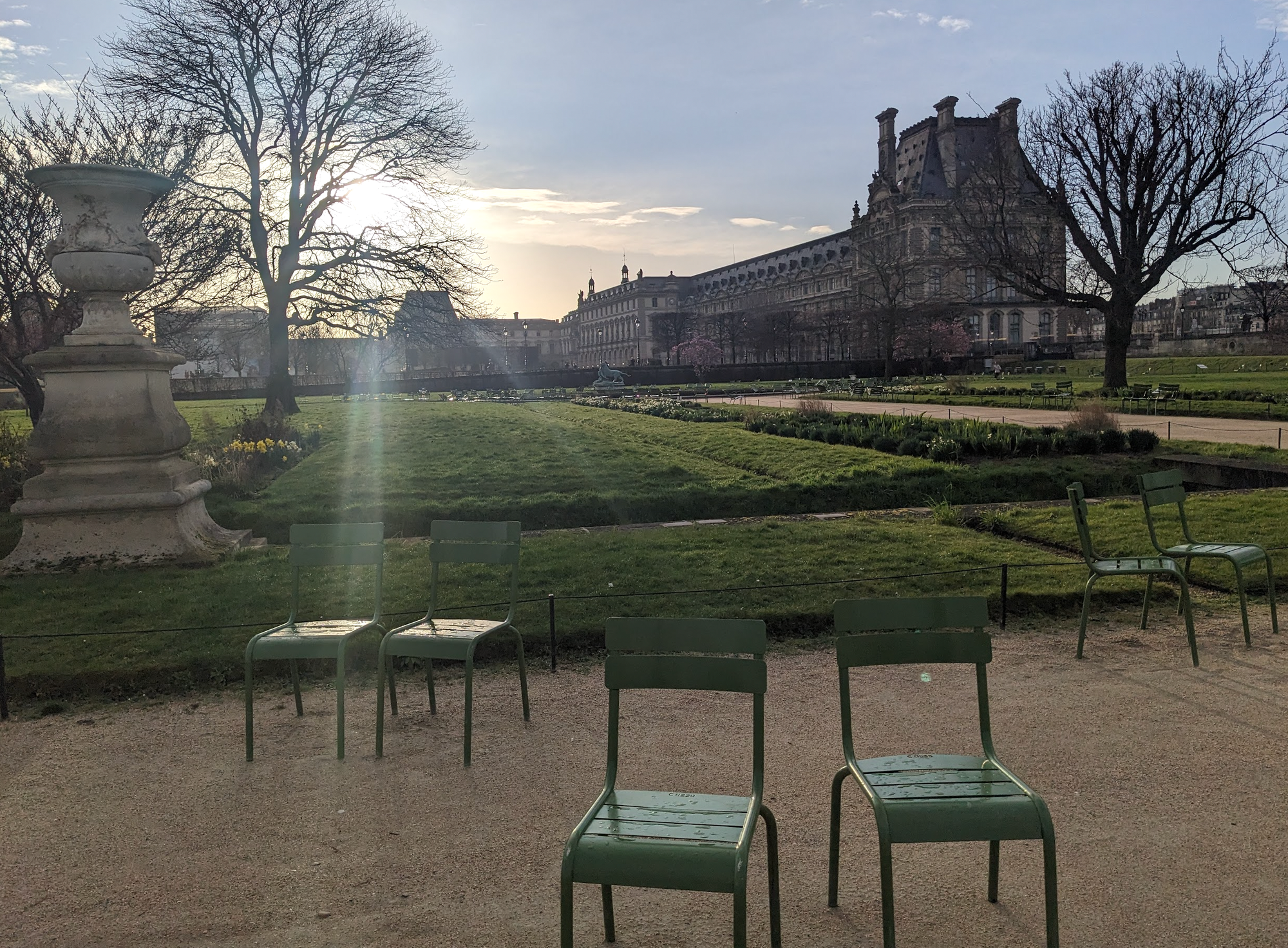
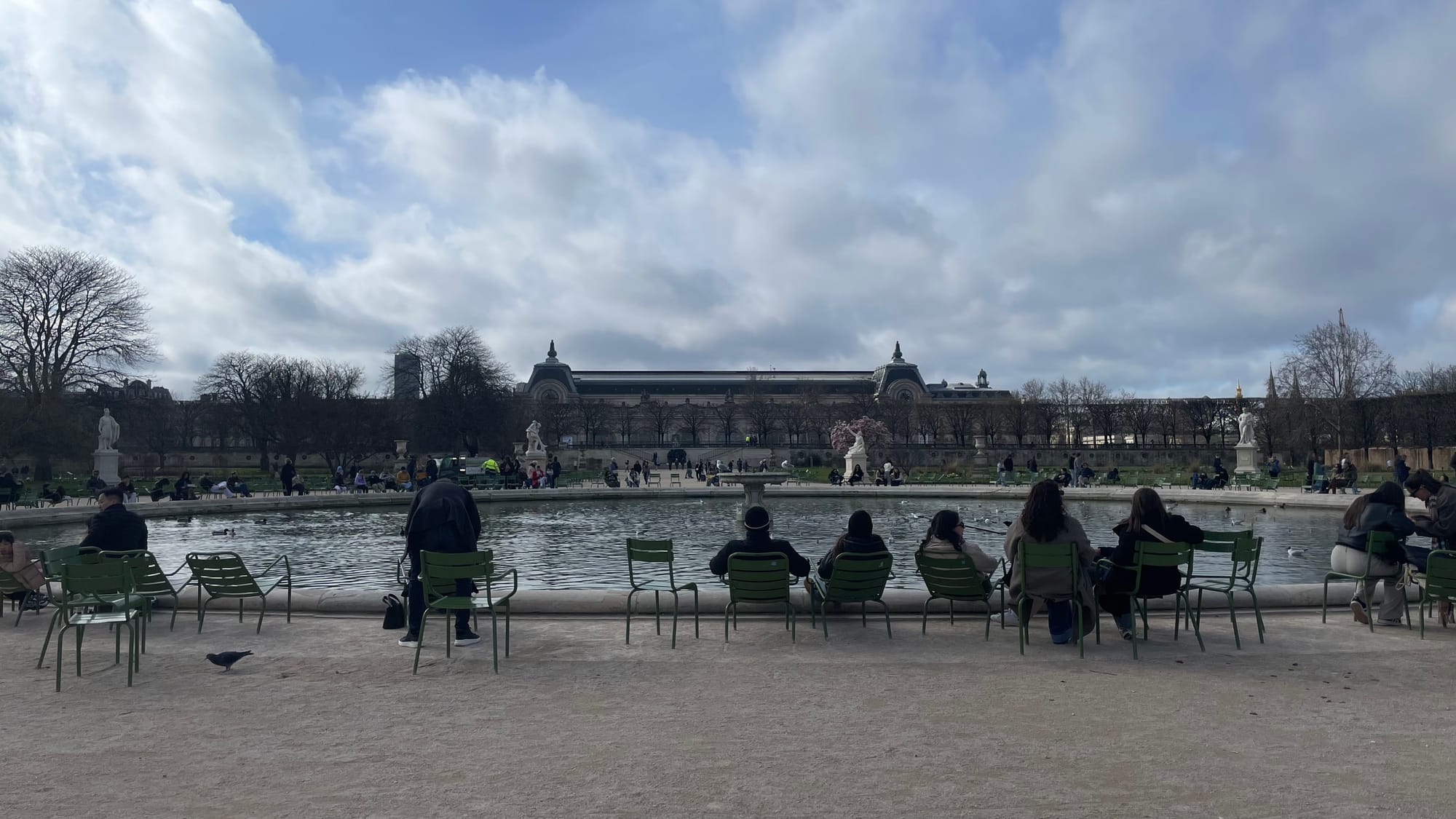
I think about this sitting in Paris, which is its own kind of portal. A city that has spent centuries insisting on the value of the unhurried, the public square, the long meal, the conversation that goes nowhere useful. It is not a solution. But it is evidence that another pace is possible, that the inconvenient, the slow, the communal can survive and even be chosen. That is the bridge.
Thanks for joining in on this exploration. I hope to provide more updates, share thoughts and essays, so please don’t forget to subscribe!